Real Estate Strategy, Simplified
DC Condo vs Rowhouse: Choosing the Right First Home for You
May 14, 2026
Real Estate Strategy, Simplified
May 14, 2026
Buying your first home in DC can feel like choosing between two very different lifestyles. A condo may offer a simpler setup and a lower entry price, while a rowhouse can give you more space, more control, and more long-term flexibility. If you are trying to decide which path makes the most sense in 20001 and nearby DC neighborhoods, this guide will help you compare the trade-offs with more confidence. Let’s dive in.
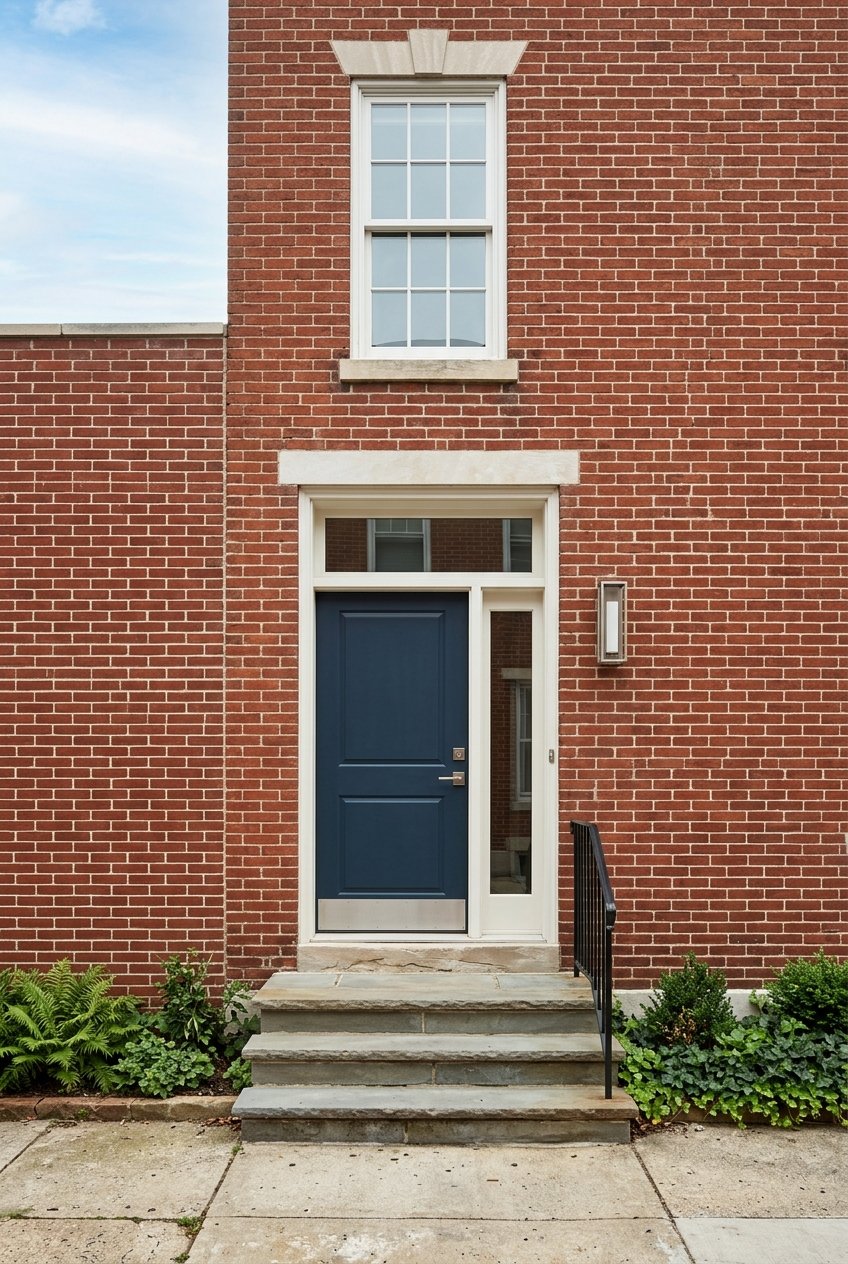
In Washington, DC, condos and rowhouses often look and live very differently. In and around 20001, rowhouses in places like Shaw and Bloomingdale are commonly older attached homes with multiple levels, English basements, and some outdoor space. Public listings also show features like roof decks, rear decks, driveways, and renovated lower levels.
Condos in nearby areas such as Logan Circle and Columbia Heights usually offer a smaller footprint with more shared features. Current listings highlight options like elevators, parking, concierge service, rooftop terraces, balconies, and courtyards. That means your choice is not only about price. It is also about how you want to live day to day.
For many first-time buyers, a condo is the easier starting point. You may be able to buy in a central location with a lower purchase price than a rowhouse, while still getting features that support convenience. In today’s DC market, that can be a practical way to get into homeownership.
A condo can also make maintenance feel more manageable. Shared building systems and common areas are typically handled through the association, which can remove some of the burden of ownership. If you prefer a more predictable routine and less hands-on upkeep, that can be a major advantage.
In DC, condos often include:
That said, amenities are never free. Monthly condo fees can have a big impact on your true budget.
A rowhouse often appeals to buyers who want more room and more independence. In neighborhoods like Shaw, Bloomingdale, and Petworth, rowhouses commonly offer multiple floors, more separation between living spaces, and extras like English basements or outdoor areas. Some listings also show basement apartments, which may create more flexibility for future use.
A rowhouse can also give you more direct control over the property. You are not usually working within the same shared governance structure as a condo association. For buyers who want to shape the home over time, that autonomy can be a big plus.
In DC, rowhouses often include:
The trade-off is simple. More space and control usually come with more maintenance and more responsibility.
This is one of the biggest differences between the two property types.
With a condo, you own the interior walls and floor of your unit, and you are responsible for repairing those interior elements if they are damaged. At the same time, condo ownership comes with shared governance. DC’s Condo Association Bill of Rights gives owners certain meeting, voting, and records-access rights, but it also means decisions about the building are not yours alone.
Before buying a condo, read the bylaws carefully. Do not assume you can make changes freely just because you own the unit. Rules on renovations, pets, move-ins, rentals, and assessments can affect both your lifestyle and your monthly costs.
With a rowhouse, you generally have more direct control, but also more direct responsibility. In DC, exterior work like additions, decks, fences, and window replacement can require permits. If the property is in a historic district, exterior changes that affect appearance may also require historic preservation review.
That does not mean a rowhouse is hard to own. It means you should go in with a realistic plan for repairs, upkeep, and any future projects.
A first-time buyer budget should go beyond the list price. In DC, condos and rowhouses are not taxed differently at the residential property-tax rate level. Class 1 residential real property is assessed at 100% of market value and taxed at $0.85 per $100 of assessed value.
Where the monthly numbers often split is condo fees. Census reporting found that while the national median monthly HOA fee in 2024 was $135, about half of homeowners in the District paid more than $500 per month. Current DC listings show dues in the $400 to $700 range, and some amenity-heavy buildings in 20001 are close to $1,000 per month.
Those fees may cover valuable shared services and building components such as roofs, hallways, and common areas. Still, they directly affect affordability. A condo with a lower purchase price can end up costing more each month than you expected once dues are added in.
Before you choose, ask yourself:
These questions often clarify the right fit faster than square footage alone.
First-time buyer assistance can work for both property types in DC. HPAP covers single-family houses, condominiums, and co-ops, and can provide up to $202,000 in gap financing plus $4,000 in closing-cost assistance. DC Open Doors also offers below-market first-trust rates and forgivable second-trust loans.
The financing path for condos can be more project-dependent, though. HUD states that FHA condo loans require either an FHA-approved condominium project or single-unit approval. Some current listings also note when a building is not FHA or VA approved, which can limit the pool of eligible buyers.
That matters now and later. Financing restrictions do not just affect your purchase. They can also affect resale down the road.
Your first home may not be your forever home, so it helps to think one step ahead. Recent Washington, DC market data from March 2026 showed condo inventory up 20.2% year over year, while townhome inventory rose 9.3%. Condo sales fell 1.5%, while townhome sales rose 9.5%.
Prices also moved differently. Condo prices rose 3.0% to a median of $390,000, while townhome prices were flat at a median of $555,000. That suggests condos may offer more selection and possibly more negotiating room right now, while rowhouses and townhomes may benefit from relatively tighter supply.
For rowhouses, long-term value can be shaped by features like finished basements, outdoor space, driveways, or thoughtful upgrades. For condos, resale depends on more than the unit itself. Buyers will also look closely at dues, reserves, bylaws, assessment authority, and financing compatibility.
There is no universal winner here. The better choice depends on your budget, your tolerance for maintenance, and how you want to use the home over the next several years.
A condo may be the better fit if you want a lower purchase price, shared maintenance, and amenities that simplify daily life. It can be especially appealing if you value location and convenience more than extra square footage.
A rowhouse may be the better fit if you want more space, more privacy, and more freedom to improve the property over time. It can also make sense if you are comfortable taking on repairs, permits, and the day-to-day responsibilities of ownership.
The key is to compare the full picture, not just the listing photos. In DC, the smartest first-home decision usually comes from understanding how the property type will affect your monthly costs, your flexibility, and your future options.
If you want help weighing condos versus rowhouses in DC, Lina McAuliffe can help you compare the numbers, the trade-offs, and the neighborhoods so you can move forward with a clear plan.
Real estate doesn’t need to feel overwhelming. I break down what’s happening locally so you can act with clarity and confidence. Whether you're selling or exploring your options, this is where strategy begins.
October 22, 2026
October 22, 2026

October 15, 2026
October 8, 2026
October 1, 2026

September 24, 2026

September 10, 2026

August 27, 2026

August 20, 2026
Lina brings structure and clarity to every step of the selling process. She focuses on what drives results, eliminating unnecessary complexity. You get a clear plan and confident execution.

Lina McAuliffe
4600 North Park Ave, Ste 100 Chevy Chase, MD 20815